


an account. You can:
Access your saved cars on any device.
Receive Price Alert emails when price changes,
new offers become available or a vehicle is sold.
How to Buy a Pre-Owned Exotic Car: The Complete Guide
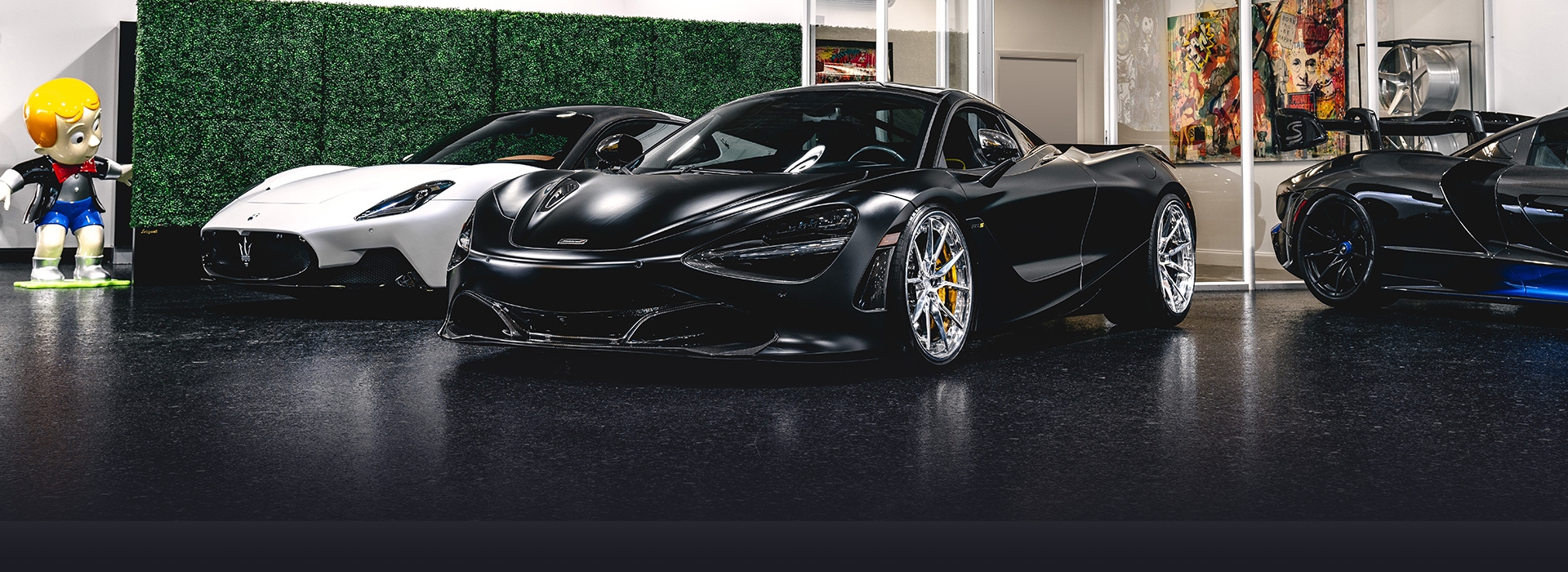
Buying a pre-owned exotic car is one of the most exhilarating purchases you will ever make.
It is also one of the easiest places to lose serious money if you skip the homework.
Every year, first-time exotic car buyers overpay by tens of thousands of dollars because they shop with emotion instead of information. They skip inspections. They trust the wrong sellers. And they end up stuck with a car that looked perfect in photos but hides five figures in deferred maintenance.
This guide is designed to prevent that. We have spent over 10 years buying and selling pre-owned exotic and luxury cars at Exotics Hunter in Boca Raton, Florida, and have handled hundreds of transactions ranging from Porsche 911 GT3s to Ferrari 812 Superfasts to Lamborghini Aventador SVJs.
What follows is the exact process we recommend to every buyer who walks through our door or calls us from across the country.
By the end, you will know how to set your budget, research models, evaluate sellers, navigate inspections, arrange financing, and close the deal with confidence.
Step 1: Define Your Budget (The Full Picture, Not Just the Sticker Price)
The purchase price is only the beginning of what you will spend on an exotic car. Most buyers fixate on the window sticker and forget about the ownership costs that follow. That is a costly mistake.
Before you browse a single listing, map out the complete cost of ownership. Here is what to account for:
Insurance
Specialty insurers like Hagerty, Chubb, and AIG Private Client Group handle most exotic car policies. Annual premiums on a car valued between $150,000 and $500,000 typically range from $2,500 to $8,000 or more, depending on your driving record, location, and how the car will be stored and used.
Standard carriers often decline to cover exotics. Start your insurance research before you start shopping.
Maintenance and Service Costs
Routine maintenance on an exotic car is not routine pricing. A basic oil change on a Lamborghini Aventador can run over $1,000. Brake replacement on a McLaren with carbon ceramic rotors can exceed $15,000. Even annual services on a Ferrari require factory-certified technicians charging premium labor rates.
Budget a minimum of $3,000 to $10,000 per year for scheduled maintenance, depending on the make and model. Track-focused cars and older exotics trend toward the higher end.
Tires, Wheels, and Wear Items
A set of Pirelli P Zero tires for a Porsche 911 Turbo S runs around $1,500 to $2,000 installed. Staggered setups on wider supercars push that even higher. High-performance tires wear faster, especially on rear-drive cars with aggressive power delivery.
Storage
Exotic cars need climate-controlled storage. Leaving a $300,000 car outside or in an unconditioned garage degrades paint, rubber seals, and interior materials. If your home garage does not have climate control, factor in monthly storage costs of $200 to $500 or more.
Depreciation (or Appreciation)
Here is where exotics differ from mainstream cars.
Here’s the deal:
Many pre-owned exotic cars actually appreciate in value. Limited-production models, rare color specifications, and cars with low mileage and documented histories can increase in value over time. The Ferrari F430 Scuderia, Porsche 911 GT2, and Lamborghini Diablo VT are all examples of models that have outperformed their original MSRPs on the resale market.
On the other hand, high-production luxury models (think base Maserati Ghiblis or standard Range Rovers) can depreciate sharply. Understanding the depreciation curve of the specific model you want is critical before writing a check.
A knowledgeable exotic car dealer can walk you through historical pricing trends for the exact model, year, and specification you are considering.
Step 2: Choose the Right Make and Model for Your Goals
Not all exotic cars serve the same purpose. The right car for a weekend track enthusiast is very different from the right car for someone who wants a head-turning daily driver.
Before browsing inventory, ask yourself three questions:
- How will I use this car? Weekend cruiser? Daily driver? Track toy? Investment piece? Your answer determines whether you should look at a comfortable grand tourer like a Rolls-Royce Ghost, a raw performance machine like a McLaren 765LT, or a collectible like a Ford GT.
- What is my experience level? If this is your first exotic, starting with a Porsche 911 Turbo or a Ferrari Roma offers a more forgiving learning curve than jumping straight into an Aventador SVJ. Newer Porsches in particular offer incredible performance with usability and reliability that more temperamental exotics cannot match.
- Am I optimizing for driving experience or investment potential? Some buyers want the car that gives them goosebumps every time they turn the key. Others view exotics as alternative investments. The sweet spot is a car that does both: one that holds or gains value while delivering an unforgettable driving experience.
Now here’s the interesting part:
The specification of the car matters as much as the model itself. Two identical-year Ferrari 812 Superfasts can differ by $50,000 or more based on color combination, optional equipment, and whether the car was ordered through Ferrari’s Tailor Made program.
Rare colors, full-option builds, and desirable interior/exterior combinations command significant premiums. Conversely, common specs and less-desirable color combos (silver with black interior, for example) trade at a discount.
Research the model you want on enthusiast forums, pricing databases, and auction results to understand which specifications carry premium value.
Step 3: Understand the Pre-Owned Exotic Car Market
The pre-owned exotic car market operates very differently from the mainstream used car market. Here is what you need to know.
Where Exotic Cars Are Sold
Boutique exotic car dealers like Exotics Hunter specialize in curating rare, well-inspected, and properly represented vehicles. The advantage of buying from a specialist is deep knowledge of the product, transparency about vehicle history, and support through the entire transaction. Many boutique dealers handle nationwide logistics for out-of-state buyers.
Online auction platforms like Bring a Trailer and Cars & Bids have grown significantly. These platforms provide transparency through public bidding, comment sections, and detailed photo galleries. However, the buyer assumes more risk because there is no dealer warranty, and inspections are the buyer’s responsibility.
Private sellers can sometimes offer the best prices, but they also carry the highest risk. There is no intermediary to resolve disputes, no recourse if the car is misrepresented, and due diligence falls entirely on you.
Auction houses like RM Sotheby’s, Bonhams, and Gooding & Company handle collector-grade vehicles. Buyer’s premiums (typically 10% to 12%) add significantly to the hammer price.
Seasonality Matters
In South Florida, the exotic car market has a distinct seasonal rhythm. November through April (snowbird season) brings an influx of wealthy buyers, driving prices up. Summer months are typically slower, which can mean better deals for patient buyers.
Nationally, the end of the year is often a favorable time to buy, as dealers look to move inventory before year-end accounting.
Step 4: Vet the Seller Like Your Money Depends on It (Because It Does)
The exotic car world has its share of reputable operators and its share of bad actors. Learning to tell the difference is worth more than any negotiation tactic.
What to Look for in a Dealer
Reputation and reviews are your first filter. Check Google Reviews, CarGurus ratings, and enthusiast forums. A dealer with consistently positive customer reviews that specifically mention transparency, communication, and quality of vehicles is a strong signal.
Ask the dealer direct questions: How many previous owners? Has the car been in any accidents? Can you provide a complete service history? Is the title clean and clear? A reputable dealer will answer these without hesitation.
Red Flags to Walk Away From
If a dealer refuses to allow a pre-purchase inspection, walk away. No exceptions. Any seller with nothing to hide will welcome an independent evaluation.
Other warning signs include: reluctance to share a vehicle history report, inconsistencies between the listing description and the actual vehicle, pressure to close quickly without time for due diligence, and pricing that seems too good to be true.
Bottom line:
Trust is the most valuable currency in this market. A relationship with a knowledgeable, honest dealer can save you hundreds of thousands of dollars over a lifetime of buying and selling exotics.
Step 5: The Pre-Purchase Inspection Is Non-Negotiable
A pre-purchase inspection (PPI) is the single most important step in buying a pre-owned exotic car. Skipping it to save a few hundred dollars is the fastest way to inherit someone else’s expensive problems.
What a Proper PPI Covers
A thorough PPI by a marque-specific technician should include:
Mechanical evaluation: engine compression and leak-down testing, transmission function and shift quality, suspension component condition, brake rotor and pad measurement, cooling system inspection, and exhaust system evaluation.
Electrical systems: all onboard computers scanned for fault codes, battery health, wiring integrity, and functionality of every electronic feature from adaptive suspension to launch control.
Body and paint: paint depth gauge readings across every panel (to detect repaints or bodywork), panel gap measurements, undercarriage inspection for accident damage or corrosion, and windshield condition.
Documentation review: VIN verification, title check, service history cross-reference, and confirmation of any modifications or aftermarket components.
How Much Does a PPI Cost?
A comprehensive PPI on an exotic car typically ranges from $300 to $500 when performed by a marque-certified specialist. Some complex vehicles or more detailed inspections can run higher.
Compare that to the cost of replacing a clutch on a Lamborghini (easily $10,000 or more) or overhauling hydraulic lifters on a Ferrari (five figures). The PPI is the cheapest insurance you will ever buy.
Who Should Perform the Inspection?
Always use a technician who specializes in the brand you are buying. A general mechanic, no matter how talented, may not know that certain Ferrari models are prone to sticky-valve issues or that specific McLaren model years have known hydraulic concerns.
Ask the dealer or your local enthusiast community for referrals to qualified independent specialists.
Step 6: Decode the Vehicle History Report (And Go Beyond It)
A CarFax or AutoCheck report is a starting point, not the finish line.
Vehicle history reports are useful but incomplete. They rely on data reported to insurance companies and DMVs. Minor accidents, unreported damage, and private-party repairs may not appear.
Here’s why this matters:
An exotic car with a clean CarFax can still have been in a minor collision that was repaired out of pocket. That is why the PPI’s paint depth readings and panel gap measurements are so important. They reveal bodywork that no history report can detect.
Beyond the history report, request:
Complete service records from the performing shop or dealer. These should show every scheduled and unscheduled service event.
Original window sticker (Monroney) to verify the original MSRP, factory options, and equipment.
Modification documentation for any aftermarket work. Quality modifications from reputable companies (like 1016 Industries carbon aero kits or Novitec performance packages) can add value. Poorly executed modifications or off-brand parts can reduce it.
Step 7: Navigate Exotic Car Financing the Smart Way
Unless you are paying cash, financing an exotic car requires a different approach than financing a standard vehicle.
Traditional Banks vs. Specialty Lenders
Most traditional banks and credit unions do not finance vehicles over $100,000, or they impose unfavorable terms for older or high-mileage exotics.
Specialty lenders like Woodside Credit, LightStream, and J.P. Morgan Private Bank cater specifically to the exotic and luxury market. They understand the asset class and offer competitive rates, longer terms, and the flexibility to finance older or collector-grade vehicles.
Explore financing options before committing to a purchase so you know exactly what you qualify for.
Leasing a Pre-Owned Exotic
Some specialty lenders offer leasing programs on pre-owned exotic cars. A leasing application can be a strategic option if you plan to drive the car for a defined period and want to limit your exposure to depreciation risk.
Leasing also preserves your capital for other investments, which matters if you view the car as a lifestyle asset rather than a long-term hold.
Interest Rates and Down Payments
Expect to put 10% to 20% down on a pre-owned exotic, with interest rates typically ranging from 6% to 10% depending on the vehicle’s age, your credit profile, and the lender. Use a payment calculator to model different scenarios before you shop.
Step 8: Negotiate With Confidence (Not Desperation)
Negotiation on exotic cars works differently than haggling at a mainstream dealership. The margins are often thinner, and the inventory is unique. There is no identical unit on the next lot.
Here is how to negotiate effectively:
Know the market value. Research comparable sales on Bring a Trailer, Hagerty’s Price Guide, and completed dealer listings. When you can cite specific comparable transactions, you negotiate from a position of knowledge.
Use your PPI findings. If the inspection reveals items that need attention (worn tires, upcoming service intervals, minor cosmetic flaws), these are legitimate negotiation points. Present them factually, not aggressively.
Be ready to move. Rare-spec exotic cars sell quickly. If you have done your homework and the car checks every box, hesitation can cost you the car. Have your financing pre-approved so you can close efficiently.
Respect the seller. Lowball offers on fairly priced, well-documented exotics signal that you are not a serious buyer. A reasonable offer backed by market data is far more effective.
Step 9: Close the Deal and Handle Logistics
You have found the car. The PPI is clean. The price is agreed. Now comes the paperwork and logistics.
Title and Registration
Verify that the title is clean and clear with no liens, salvage history, or branding. Your dealer should handle title transfer, and if you are buying out of state, they should coordinate the registration process in your home state.
Some buyers explore registering through an LLC for liability protection, privacy, or tax strategy purposes. If this interests you, consult with an attorney who understands vehicle titling in your state.
Shipping and Delivery
Enclosed transport is the only acceptable way to ship an exotic car. Open carriers expose the vehicle to road debris, weather, and UV damage. Professional enclosed carriers typically charge $1,500 to $3,000 for cross-country transport.
A reputable dealer will coordinate logistics for you. At Exotics Hunter, we handle shipping arrangements for buyers nationwide, ensuring the car arrives in the exact condition it left our facility.
Paint Protection Film (PPF) and Ceramic Coating
Before you put miles on the car, consider investing in paint protection film and ceramic coating. A full-body PPF wrap runs $5,000 to $10,000 depending on the vehicle, but it protects the paint from rock chips, road debris, and environmental damage.
Ceramic coating on top of PPF provides hydrophobic properties and makes the car significantly easier to clean and maintain.
These protective measures also preserve resale value. Buyers in the pre-owned exotic market pay a premium for cars that have been protected from day one.
Step 10: Think Like an Investor, Even If You Are Buying for Fun
The most sophisticated exotic car buyers think about exit strategy before they ever sign the purchase agreement.
Think about it:
If you buy a well-specced, low-mileage Ferrari with documented history and full PPF, you have a car you can enjoy for two to three years and potentially sell for what you paid. Or more.
If you buy a common-spec car with high miles, no records, and questionable modifications, you own a car that will be difficult to sell without taking a significant loss.
The difference is not luck. It is strategy.
What Makes a Pre-Owned Exotic a Strong Investment
Limited production numbers. Cars that were produced in small quantities tend to hold or gain value over time.
Desirable specifications. Rare colors, full-option builds, and Tailor Made/Ad Personam/PTS configurations carry premiums that tend to grow.
Low mileage with documented history. A car with 5,000 miles and complete service records will always command more than the same car with 25,000 miles and missing documentation.
Clean title and no accident history. This is non-negotiable for collector-grade vehicles.
The ICE factor. As manufacturers shift toward electrification, the last naturally aspirated V10s, V12s, and flat-sixes are becoming increasingly collectible. The Lamborghini Aventador, Porsche 911 GT3, and Ferrari 812 Superfast represent the end of an era, and prices reflect that scarcity.
Your Next Steps: From Research to the Driver’s Seat
Buying a pre-owned exotic car does not have to be stressful. It just has to be informed.
Follow the process outlined in this guide: set your true budget, choose the right car for your goals, vet the seller thoroughly, insist on a pre-purchase inspection, understand the vehicle’s history beyond the CarFax, arrange the right financing, negotiate with data, and protect your investment from day one.
If you are ready to start your search, browse our current inventory of curated pre-owned exotics. Every car at Exotics Hunter comes with a clean, clear title, thorough documentation, and the transparency you deserve.
Looking to sell your current exotic before upgrading? Our Sell My Exotic program offers same-day cash offers for exotic car owners anywhere in the United States.
And if you want to talk through your options with someone who has been in this market for over a decade, contact us. We are here to help you make the best decision, whether you end up buying from us or not.