


an account. You can:
Access your saved cars on any device.
Receive Price Alert emails when price changes,
new offers become available or a vehicle is sold.
Exotic Car Modifications & Protection: What Adds Value and What Doesn’t
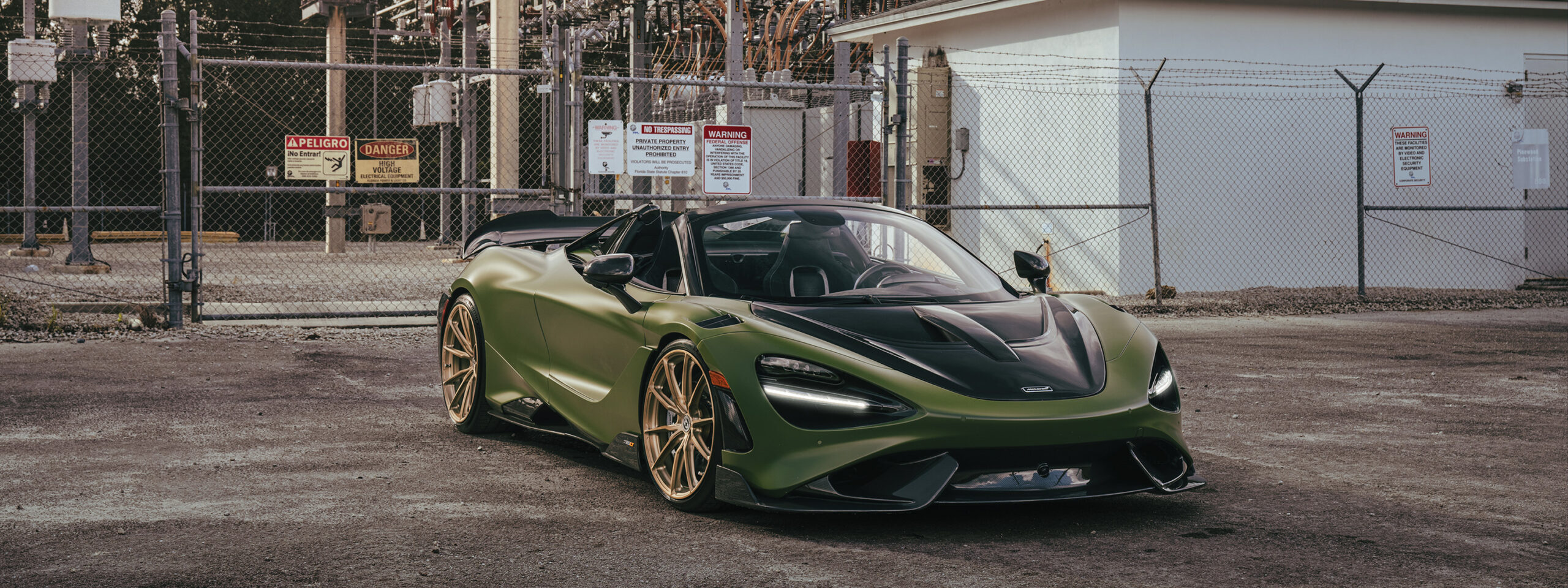
Every exotic car owner faces the same question: should I modify my car, protect it, or leave it completely stock?
The answer determines whether you add thousands of dollars to your car’s resale value or subtract them. And in the exotic car market, where modifications and protection decisions are scrutinized by every serious buyer, the stakes are higher than with any other type of vehicle.
After a decade of buying, selling, and evaluating exotic cars at Exotics Hunter, we have seen the full spectrum: tasteful modifications that enhanced a car’s appeal and value, and poorly chosen aftermarket parts that cost the owner $20,000 or more at resale. We have seen $5,000 PPF installations that preserved $30,000 in paint value, and $15,000 body kits that made a $300,000 Ferrari nearly unsellable.
This guide breaks down every major category of exotic car modification and protection. For each one, you will learn whether it adds value, hurts value, or is neutral. No opinions. Just market data and real-world experience from the front lines of the exotic car trade.
Part 1: Protection That Adds Real Value to Your Exotic Car
Let’s start with the good news. There is an entire category of investments you can make in your exotic car that reliably preserves or adds value when it comes time to sell. These are protection measures, not modifications, and the market rewards them consistently.
Paint Protection Film (PPF): The Single Best Investment You Can Make
Full-body PPF is the number one value-add for any exotic car. It is not even close. In over a decade of trading exotic cars, nothing has correlated more strongly with higher resale prices than documented, professionally installed paint protection film.
PPF is a thermoplastic urethane film (typically 6-10 mils thick) that acts as a physical barrier between your car’s factory paint and the world. It absorbs rock chips, road debris, minor scratches, and environmental contaminants that would otherwise damage the paint surface permanently.
Here’s why this matters:
Factory paint on an exotic car is irreplaceable. Once a panel is repainted, the car loses the originality and integrity of its factory finish. For collector-grade vehicles, a repainted panel can reduce value by $5,000-$15,000 or more per panel. For any exotic car, repaint history is a red flag that every serious buyer investigates.
PPF prevents the damage that leads to repainting. It preserves factory-original paint, which is one of the most important factors in exotic car valuation.
What it costs:
Full-body PPF from a premium brand (XPEL Ultimate Plus, SunTek Ultra, LLumar Platinum) costs $5,000-$10,000 for exotic cars depending on vehicle complexity and installer location. Partial front coverage (bumper, hood, fenders, mirrors) runs $1,500-$3,000.
What it returns:
Industry data and our firsthand experience consistently show that luxury and exotic cars with documented, high-quality PPF retain 10-15% more resale value than equivalent unprotected cars. On a $200,000 car, that is $20,000-$30,000 in preserved value from a $5,000-$8,000 investment. There is no better return on investment in exotic car ownership.
Key details that matter:
The PPF must be professionally installed by a certified shop. DIY or budget installations with visible edges, bubbles, or yellowing actually hurt value. Keep the installation receipt and warranty documentation. Buyers want proof. Self-healing PPF (the top-coat repairs minor scratches when exposed to heat) is now standard on premium films and is expected by the market.
Ceramic Coating: The Value-Preserving Complement to PPF
Ceramic coating is a liquid polymer that chemically bonds to your car’s clear coat (or PPF), creating a hydrophobic, UV-resistant layer. It makes the car dramatically easier to clean, repels water, dirt, and contaminants, and enhances gloss depth.
Ceramic coating does not replace PPF. It does not prevent rock chips or physical impact damage. Think of it as complementary: PPF provides the structural armor, ceramic coating provides the surface performance.
What it costs:
Professional ceramic coating installation runs $1,000-$3,000 for an exotic car, depending on the product and the level of paint correction required before application.
What it returns:
Ceramic coating alone adds modest resale value. The real benefit is easier maintenance and preserved paint condition over time. When combined with PPF (ceramic coating applied over the film), the combination is viewed as the gold standard of exotic car protection and commands a clear premium in the used market.
Window Tint: Subtle Value Add
Quality ceramic window tint (not cheap dyed film) protects the interior from UV damage, reduces heat, and adds a finished, premium appearance. Brands like XPEL Prime XR Plus or 3M Crystalline are recognized by the market.
Window tint is a modest value-add. It will not dramatically increase your sale price, but a car with quality tint will sell faster than one without, particularly in warm-weather markets like South Florida.
Interior Protection: Leather Conditioning and Alcantara Care
Regular leather conditioning prevents cracking, discoloration, and the dried-out appearance that screams neglect to a buyer. Alcantara (used in many Porsche GT cars, Ferraris, and Lamborghinis) requires periodic brushing and cleaning to prevent matting and staining.
These are maintenance activities, not modifications, but they directly impact resale value. A well-maintained interior is one of the first things a serious buyer evaluates.
At Exotics Hunter, the condition of paint and interior are two of the most important factors in our vehicle acquisition evaluations. Cars with documented PPF and well-maintained interiors consistently receive stronger offers.
Part 2: Modifications That Can Add Value (When Done Right)
A small number of modifications are viewed favorably by the exotic car market. The common thread: they are from recognized, premium brands, they are professionally installed, and they are reversible.
Exhaust Systems from Tier-One Brands
A quality exhaust from Akrapovič, Capristo, iPE, or Tubi Style can actually boost a car’s appeal. These brands are recognized and respected by exotic car buyers. The right exhaust enhances the driving experience (sound, throttle response, weight reduction) without compromising reliability.
The key qualifiers: the exhaust must retain factory valve functionality (so the car can still be quiet when needed), it must not trigger check engine lights or emissions issues, and the original factory exhaust must be included with the car.
An Akrapovič titanium exhaust on a Lamborghini Aventador or a Capristo system on a Ferrari 488 will not scare away buyers. In many cases, it makes the car more desirable because buyers know the system costs $5,000-$15,000 and was professionally installed.
OEM+ Upgrades from Recognized Specialists
Certain aftermarket brands carry credibility in specific communities:
Novitec for Ferrari and Lamborghini. Manthey Racing for Porsche GT cars. Urban Automotive for Range Rover and luxury SUVs. 1016 Industries for carbon fiber aero on Lamborghini, McLaren, and Ferrari. Brabus for Mercedes-AMG and Rolls-Royce.
Parts from these brands signal that the owner knew what they were doing. The market respects this, and it can translate to marginally higher resale values or faster sales, particularly within enthusiast communities who actively seek these specifications.
Forged Wheels from Premium Brands
HRE, Anrky, Brixton Forged, Vossen Forged, and BBS are all respected names. A set of lightweight forged wheels from one of these brands, properly fitted without requiring fender modification, can enhance a car’s appearance and reduce unsprung weight.
But here’s the thing:
The original factory wheels must be included in the sale. Always. A buyer who wants the car in factory specification needs to have that option. Wheels without the originals are a net negative in the market.
Roll Bars and Harness Systems (Track-Focused Cars Only)
For Porsche GT3s, GT4s, and other track-oriented exotics, a properly installed roll bar (bolt-in, not welded) and harness system are viewed as neutral to slightly positive. They signal that the owner used the car for its intended purpose and invested in safety.
For grand tourers and luxury exotics (Ferrari Roma, Bentley Continental GT, Rolls-Royce), roll bars are completely inappropriate and will hurt value.
Part 3: Exotic Car Modifications That Hurt Resale Value
This is the section that will save you the most money. Every modification listed below will reduce the pool of potential buyers and, in most cases, directly reduce your sale price.
ECU Tunes and Engine Remaps
Engine tunes are the most controversial modification in the exotic car world. An ECU remap can add 50-100+ horsepower, improve throttle response, and transform the driving experience. But it comes with serious resale consequences.
Tunes void factory warranties (on new and CPO-eligible cars). They raise concerns about accelerated engine wear. They suggest the car was driven aggressively. And they make the car ineligible for manufacturer extended warranty programs.
Unless the car is explicitly being marketed to an enthusiast buyer who values the specific tune, an ECU remap will narrow your buyer pool and reduce your sale price by $5,000-$15,000 or more.
If you do tune your car, keep the original ECU flash so it can be returned to factory programming before sale. Many tuners offer this option.
Aftermarket Lowering Springs and Coilovers
Lowering an exotic car changes its ride quality, ground clearance, alignment geometry, and tire wear patterns. While some enthusiasts prefer a lower stance, the market broadly interprets lowered suspension as a sign of aggressive modification and hard use.
Unless the car is a dedicated track vehicle with a known enthusiast buyer pool, lowered suspension hurts resale. Replace with factory suspension before selling, and you will recover the cost of the swap in your sale price.
Non-OEM Body Kits and Widebody Conversions
Aggressive aftermarket body kits polarize buyers. A carbon fiber widebody kit from a recognized brand (like 1016 Industries or Vorsteiner) on a Lamborghini Huracan might appeal to a specific buyer. But it will repel five others.
Body kits that require cutting, drilling, or permanent modification of factory bodywork are particularly damaging to resale. Once the factory body panels have been altered, the car cannot be returned to original specification, which eliminates a large segment of the buyer market.
Subtle, bolt-on aero pieces (front splitters, rear diffusers) from recognized brands are less damaging, especially if the factory parts are retained.
Aggressive or Custom Paint and Vinyl Wraps
Custom paint jobs are almost universally negative for resale. A color that one owner loves will be the exact color another buyer cannot stand. And once factory paint is altered, the car permanently loses its original-paint status.
Vinyl wraps are a different story. Because they are removable, wraps are generally neutral for resale, as long as the factory paint underneath is in excellent condition (ideally protected by PPF beneath the wrap). However, a wrap that conceals paint damage is a serious red flag that buyers and inspectors will catch.
Oversized or Non-Standard Wheels
Wheels that require fender modifications (rolling, cutting, or pulling fenders) to fit permanently alter the car’s bodywork and hurt resale. Even properly fitting aftermarket wheels can hurt value if they are a polarizing style or significantly larger than factory specification.
The solution: always retain the factory wheels. If you enjoy aftermarket wheels, run them while you own the car and reinstall the originals before selling.
Loud Exhausts Without Valve Control
A straight-piped Ferrari or a drone-heavy exhaust on a Porsche might thrill you on a Saturday morning, but it will thrill approximately zero percent of prospective buyers who plan to daily drive the car.
Exhausts that eliminate valve control (the ability to switch between quiet and loud modes) are viewed negatively by the market. If you install an aftermarket exhaust, choose one that retains valve functionality. And keep the factory exhaust.
Aftermarket Infotainment and Electronics
Retrofit head units, additional gauges, aftermarket speakers, and non-OEM lighting modifications are broadly negative. They suggest the owner prioritized personalization over factory integrity, and they create concerns about electrical reliability.
The exception: radar detectors and dashcams that are cleanly hardwired and can be easily removed are neutral.
The 5 Golden Rules of Exotic Car Modifications
If you take nothing else from this guide, remember these five principles. They will save you thousands.
Rule #1: Always keep the original parts. Every bolt-on modification should be reversible. Store the factory exhaust, wheels, suspension components, and any other replaced parts. When you sell, having the originals dramatically expands your buyer pool.
Rule #2: Only use recognized, premium brands. Akrapovič, not eBay. HRE, not replica. 1016 Industries, not generic carbon fiber. The brand name on the part matters to buyers because it signals quality, proper fitment, and professional installation.
Rule #3: Document everything. Keep receipts for every modification, every installation, every protection product. Include the shop name, date, and cost. Buyers want to see that work was done professionally, and documentation is the proof.
Rule #4: Prioritize reversibility. If a modification requires cutting, drilling, welding, or permanent alteration of factory components, think very carefully before proceeding. Irreversible changes permanently narrow your buyer pool.
Rule #5: Protection always beats modification for ROI. A $7,000 full-body PPF installation will return more value at resale than a $15,000 body kit, every single time. Protect first, modify second (if at all).
Whether you are building your dream spec or preparing to sell, understanding how modifications affect value is essential. At Exotics Hunter, we evaluate modifications as part of every vehicle acquisition. We know what the market rewards and what it penalizes.
How Modifications Impact Value by Brand: Ferrari, Lamborghini, Porsche, McLaren, and Rolls-Royce
The market’s tolerance for modifications varies dramatically by brand. Knowing your specific brand’s dynamics is critical.
Ferrari: The Most Modification-Sensitive Brand
Ferrari buyers overwhelmingly prefer stock cars. Ferrari’s brand culture, its Classiche certification program, and its collector community all value originality above almost everything else. Even tasteful modifications from recognized brands (Novitec, Capristo) can reduce the buyer pool for a Ferrari more than they would for any other brand.
PPF and ceramic coating are essential. Beyond that, the safest approach with Ferrari is to leave it as Maranello intended.
Lamborghini: More Tolerant of Tasteful Modifications
Lamborghini’s buyer base is generally more accepting of aftermarket modifications. Carbon fiber aero from 1016 Industries, Novitec power packages, and premium forged wheels are more common and more accepted in the Lamborghini market than in the Ferrari market.
That said, the same rules apply: recognized brands, professional installation, documented work, and original parts retained.
Porsche GT Cars: Community-Driven Preferences
The Porsche GT community (GT3, GT3 RS, GT4, GT2 RS) has specific, well-defined preferences. Manthey Racing components are viewed very positively. Roll bars and harness systems are accepted. Subtle exhaust upgrades are common.
Porsche GT buyers are knowledgeable and specific. They know what they want, and they will pay for the right build. But they will also walk away from modifications that do not align with their standards.
McLaren: Factory Spec Preferred, With Exceptions
McLaren buyers generally prefer factory-specification cars. The MSO (McLaren Special Operations) program offers extensive factory customization, so most buyers who want personalization expect it to come from McLaren directly.
Aftermarket exhaust systems from recognized brands are accepted. Body modifications beyond MSO options are viewed skeptically.
Rolls-Royce: Bespoke Is King
Rolls-Royce buyers expect personalization, but they expect it from Rolls-Royce’s Bespoke program, not from aftermarket sources. Factory bespoke options (unique paint colors, custom interior materials, commissioned artwork) add value. Aftermarket body kits (Mansory, Wald) appeal to a very narrow buyer segment and reduce value for the broader market.
Browse our current inventory of exotic and luxury vehicles to see examples of well-specified, properly protected cars across all major brands.
When to Invest in Protection: The Sooner, the Better
And the best part?
The ROI on protection increases the earlier you invest.
The best time to install PPF and ceramic coating is within the first week of ownership. Before the first rock chip. Before the first parking lot door ding. Before the first bug splatter etches into the clear coat. Every day you drive an unprotected exotic car is a day the paint absorbs damage that reduces its value.
If you are buying a pre-owned exotic car and it does not already have PPF, factor the cost of installation into your ownership budget. It is not optional for anyone who cares about preserving resale value.
If you are selling a car that has PPF, make sure it is featured prominently in your listing. Include the brand, the installer, the date of installation, and the warranty details. This is a significant selling point that commands real money.
Selling a Modified or Protected Exotic? We Know What It’s Worth
Whether your exotic car is fully stock, tastefully modified, or wrapped in full PPF, Exotics Hunter can give you an accurate valuation. Our Sell My Exotic process delivers same-day cash offers for exotic and luxury vehicles anywhere in the United States.
We understand how modifications and protection affect market value. We evaluate every car with the expertise of buyers who have seen thousands of exotic vehicles across every brand and configuration.
Looking for your next exotic car? Browse our curated inventory of inspected, vetted vehicles. Many feature the protection and specification details discussed in this guide.
Call us at (954) 419-5655 or visit exoticshunter.com. Your exotic car deserves an owner who understands its value.